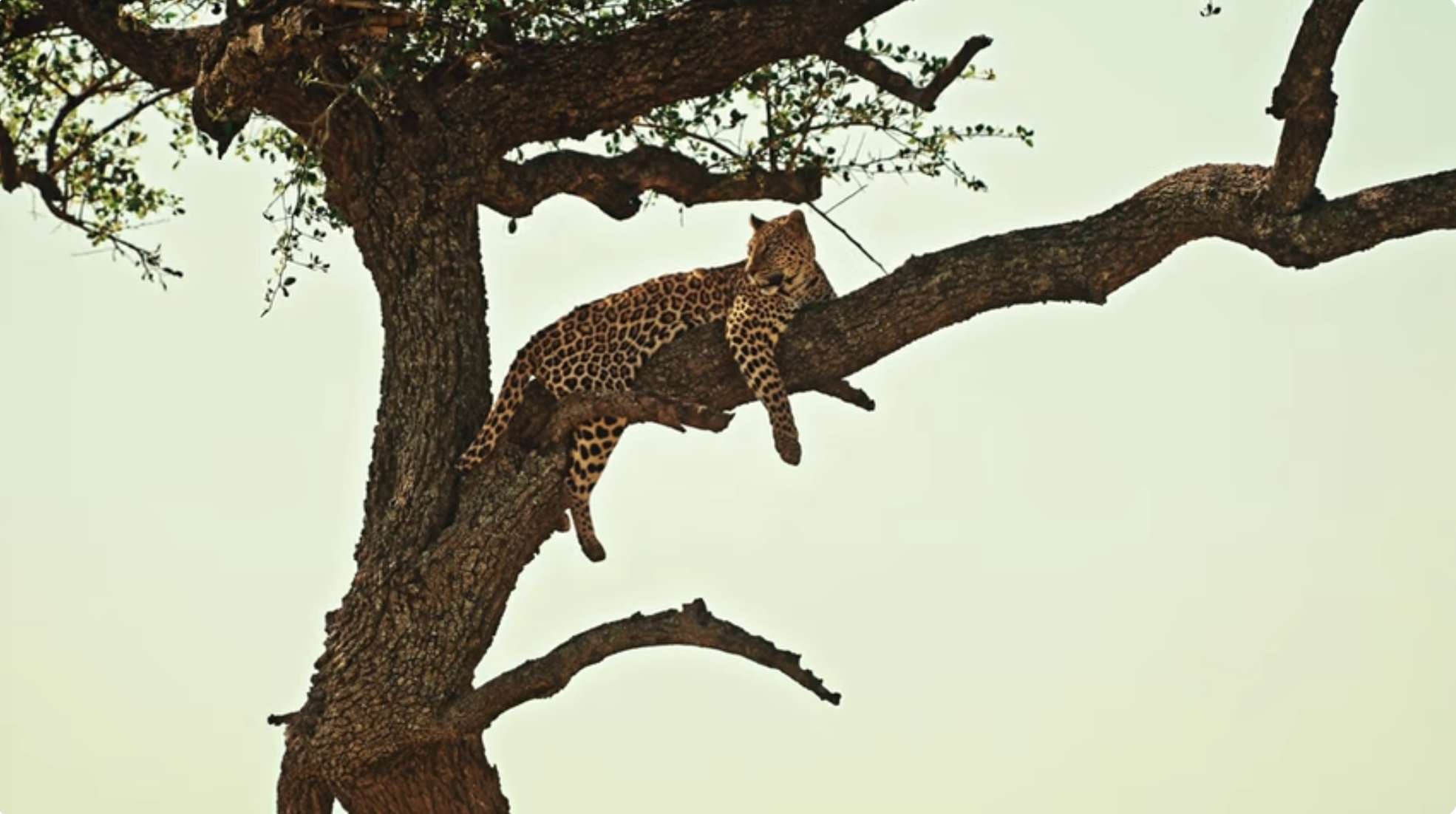

How many leopards are there?
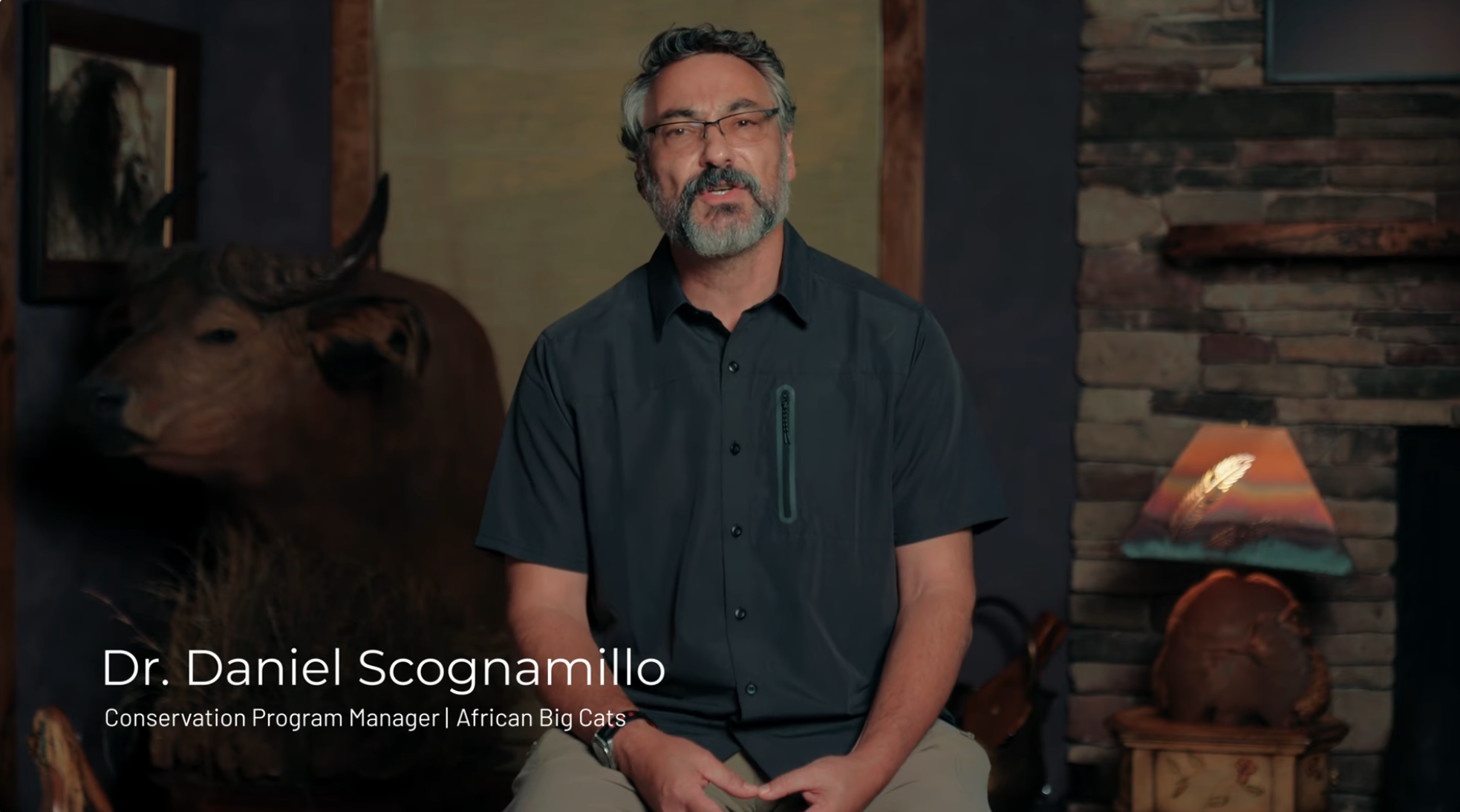
Dr. Daniel Scognamilo, SCiF Conservation Program Manager| African Big Cats gives a brief overview of an ambitious initiative to protect one of Africa's most iconic big cats: the leopard.
Safari Club International Foundation is leading science-based efforts to secure the future of Africa’s leopards. Through the Leopard Research Program, SCIF works with governments, communities, and conservation partners to collect accurate population data, guide management plans, and promote sustainable conservation. From groundbreaking research in Botswana, to new collaborations in South Africa, the program combines science, community involvement, and conservation action to protect these iconic big cats for generations to come.
Science, Community, and the Future of Africa’s Leopards
The Safari Club International Foundation (SCIF) is leading an ambitious initiative to protect one of Africa's most iconic big cats: the leopard. Operating from its strategic regional base in Irene, South Africa, the SCIF Leopard Research Program is pioneering a unique blueprint for wildlife survival. The program successfully balances cutting-edge field science with active community engagement and sustainable land-use practices .

A Data-Driven Breakthrough in Botswana
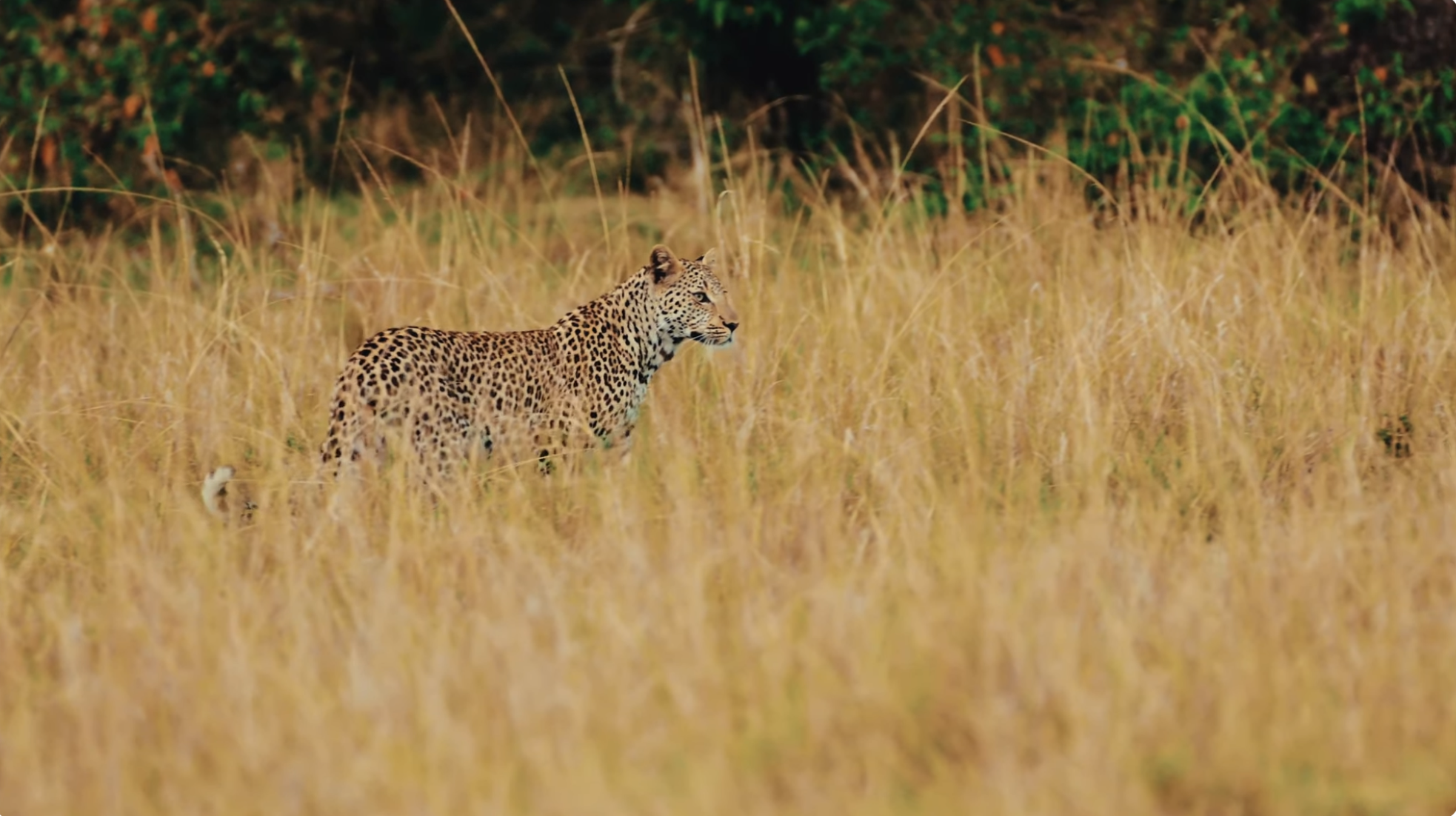
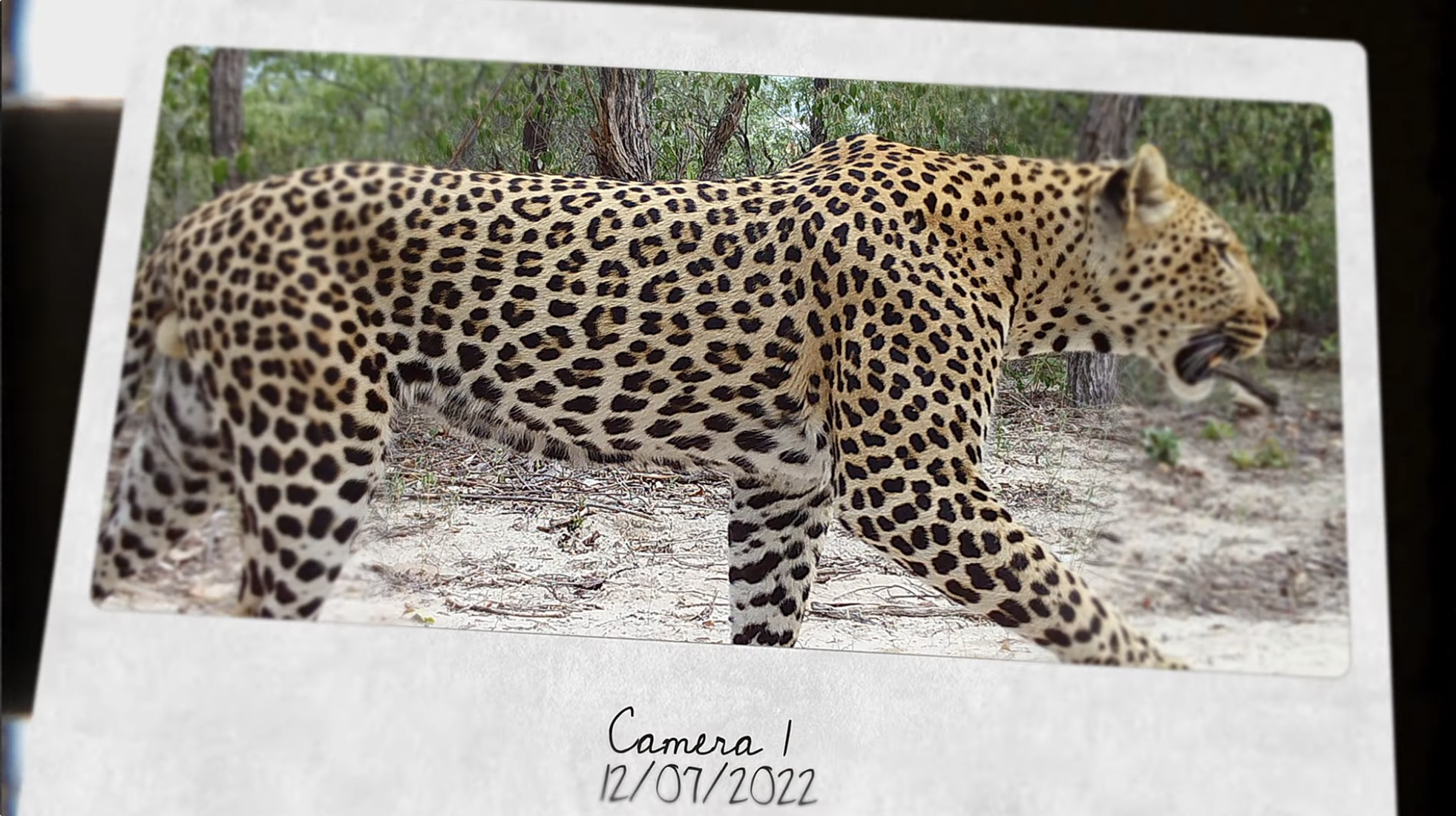
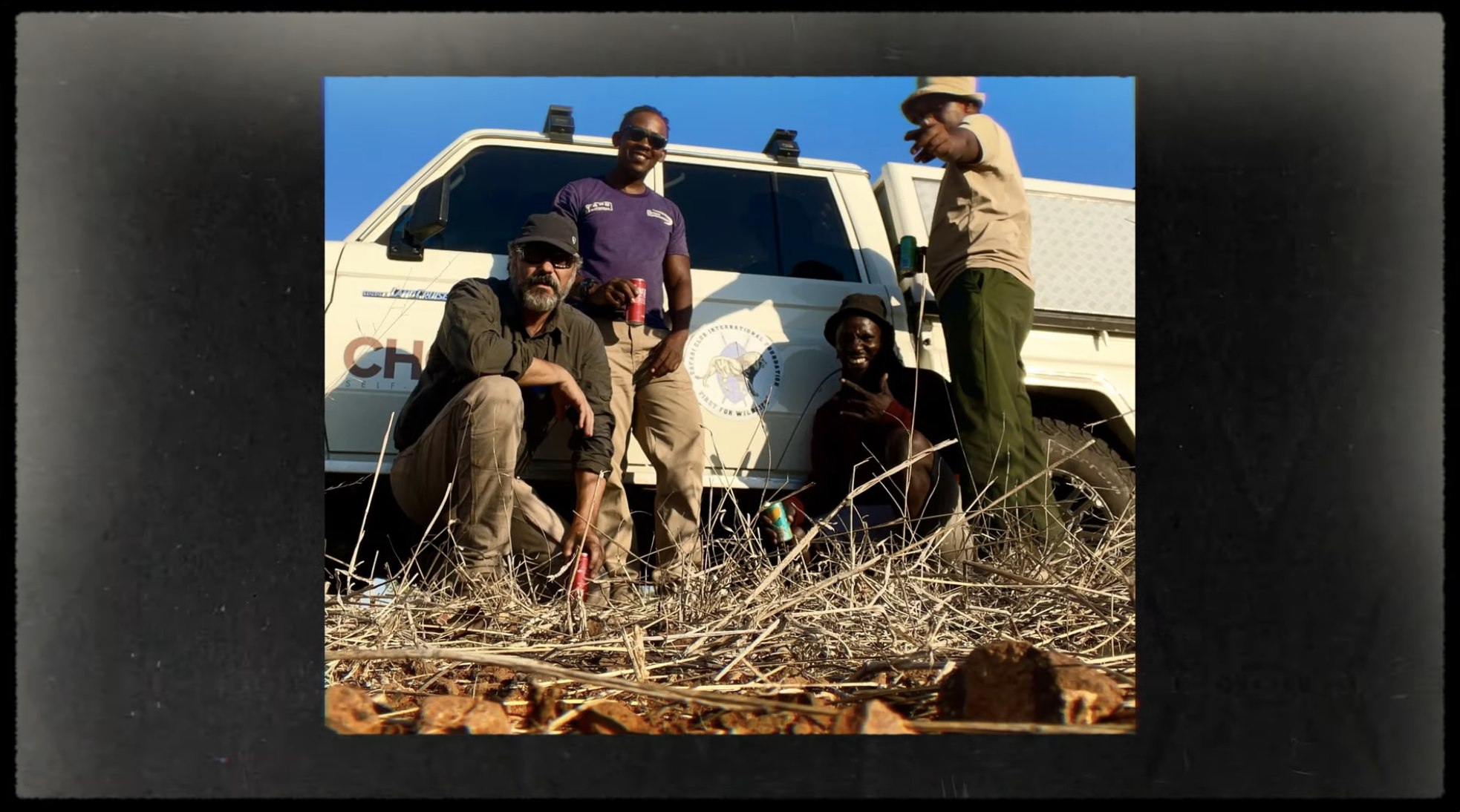
The initiative kicked off its first phase in 2022 across the diverse terrains of Botswana. Researchers faced the massive task of mapping elusive leopard populations spanning over 16,000 square kilometres of varying landscapes.Using a combination of remote camera traps and extensive field surveys, the scientific teams gathered vital data across a wide spectrum of environments. Their study areas ranged from protected wilderness areas like Chobe National Park to heavily utilized agricultural regions in the south.The resulting data proved invaluable. It directly assisted the Botswana Department of Wildlife and National Parks in creating a comprehensive 10-year leopard management plan. This robust, science-backed framework was successfully submitted to CITES to help manage and regulate the country's national export quotas.

Engaging the Community in South Africa
Building on these clear victories, the Leopard Research Program is currently expanding its operations into South Africa. This next chapter shifts its focus heavily toward local collaboration. SCIF aims to build bridges between private ranchers, local communities, scientific bodies, and national management authorities.Conservationists stress that long-term success hinges on local participation . By including everyday stakeholders in data collection and wildlife management, the project creates sustainable, long-term economic and environmental incentives to protect these apex predators.

Join the Mission
Protecting Africa’s leopards requires a collaborative, multi-faceted approach that looks beyond purely fenced reserves. SCIF continues to invite global partners, donors, and communities to join their mission. Their ongoing work proves that when science and communities align, collective efforts can completely rewrite the future of big cat conservation across the continent.